
Basics of Water
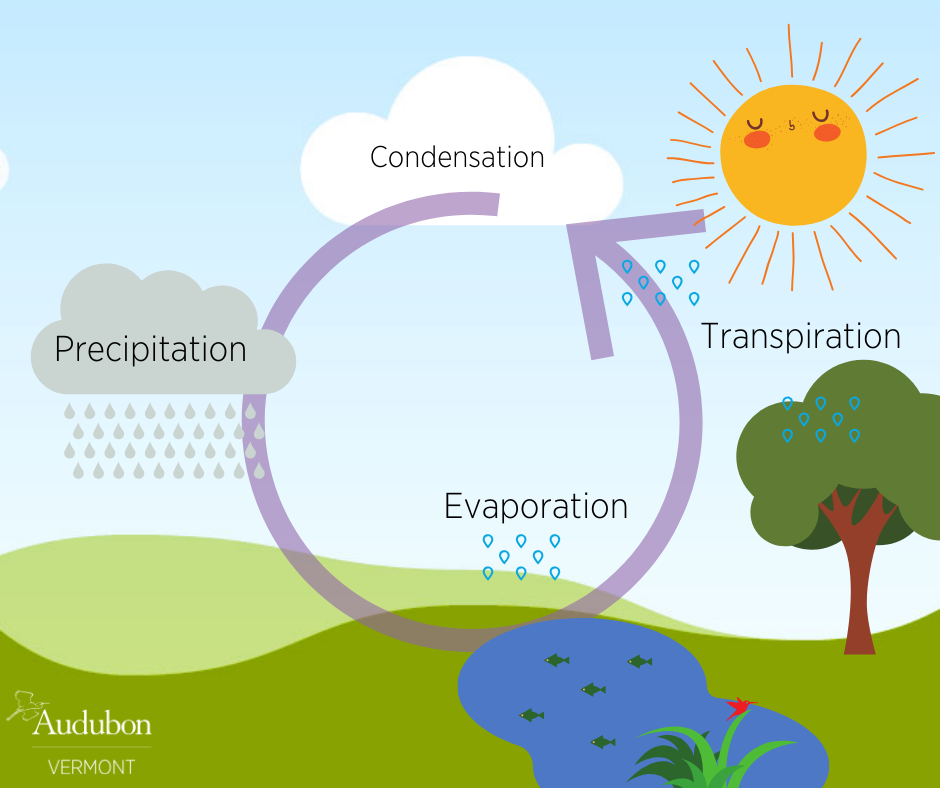
Basics of Water
Water is the most essential natural resource on Earth. It covers about 71% of the planet’s surface and is vital for human survival, agriculture, industries, and ecosystems.
Chemical Composition
Water is a chemical compound made up of two hydrogen atoms and one oxygen atom (H₂O). Its unique molecular structure gives it remarkable properties such as:
-
High heat capacity
-
Excellent solvent ability
-
Surface tension
-
Cohesion and adhesion
These properties make water essential for biological and industrial processes.
Sources of Water
Water is obtained from various natural sources:
-
Surface water (rivers, lakes, ponds)
-
Groundwater (wells, boreholes)
-
Rainwater
-
Seawater
Water Quality Parameters
Water quality is determined by physical, chemical, and biological characteristics:
Physical:
-
Color
-
Odor
-
Turbidity
-
Temperature
Chemical:
-
pH
-
Hardness
-
Dissolved oxygen
-
Total Dissolved Solids (TDS)
Biological:
-
Bacteria
-
Viruses
-
Microorganisms
Understanding these basics helps in identifying the need for water treatment.